
1st Polish Parachute Brigade and General Sosabowski Commemorative Trail

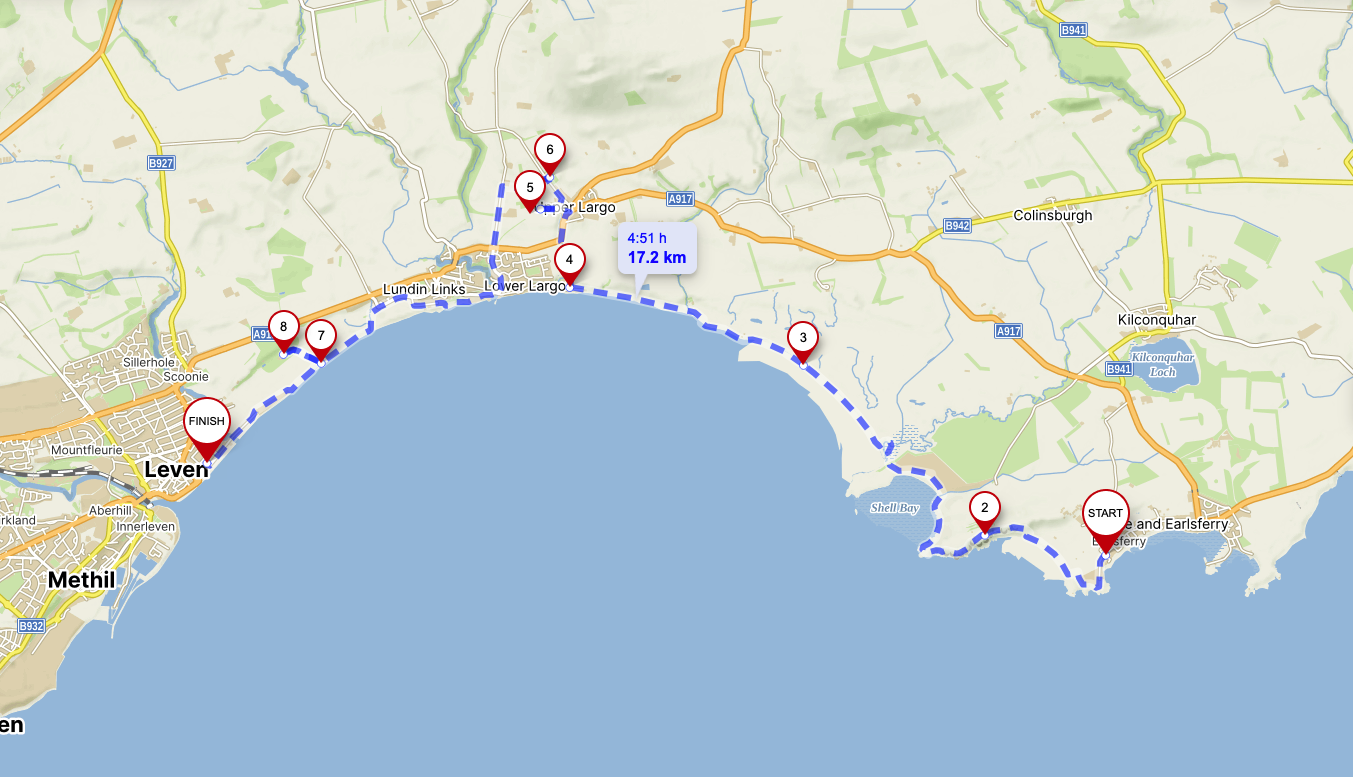
(If you are using your phone, might be good for you to install Mapy.Cz on your device;
iOS)
Stop 1 – Ellie – START
The 1st Polish Independent Parachute Brigade was formed during World War II under the command of General Stanisław Sosabowski. Created in 1941, the brigade was intended to assist in the liberation of Poland, but instead played a key role in Operation Market Garden, particularly during the Battle of Arnhem in 1944. General Sosabowski, known for his strong leadership and outspoken nature, led the brigade with the goal of supporting Allied forces in liberating Nazi-occupied Europe. Despite the mission’s overall failure, the brigade’s bravery and Sosabowski’s leadership were later recognized, especially for their sacrifice and resilience
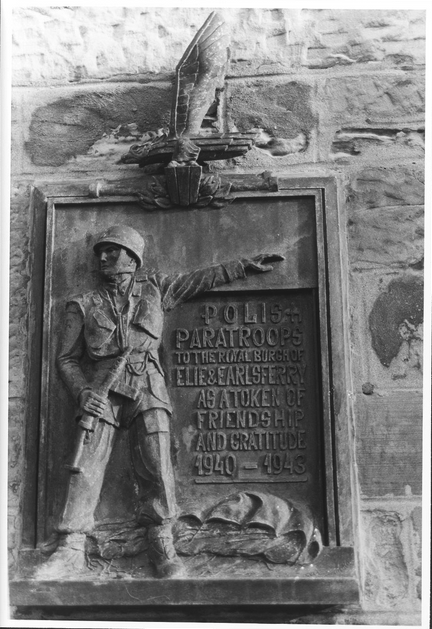
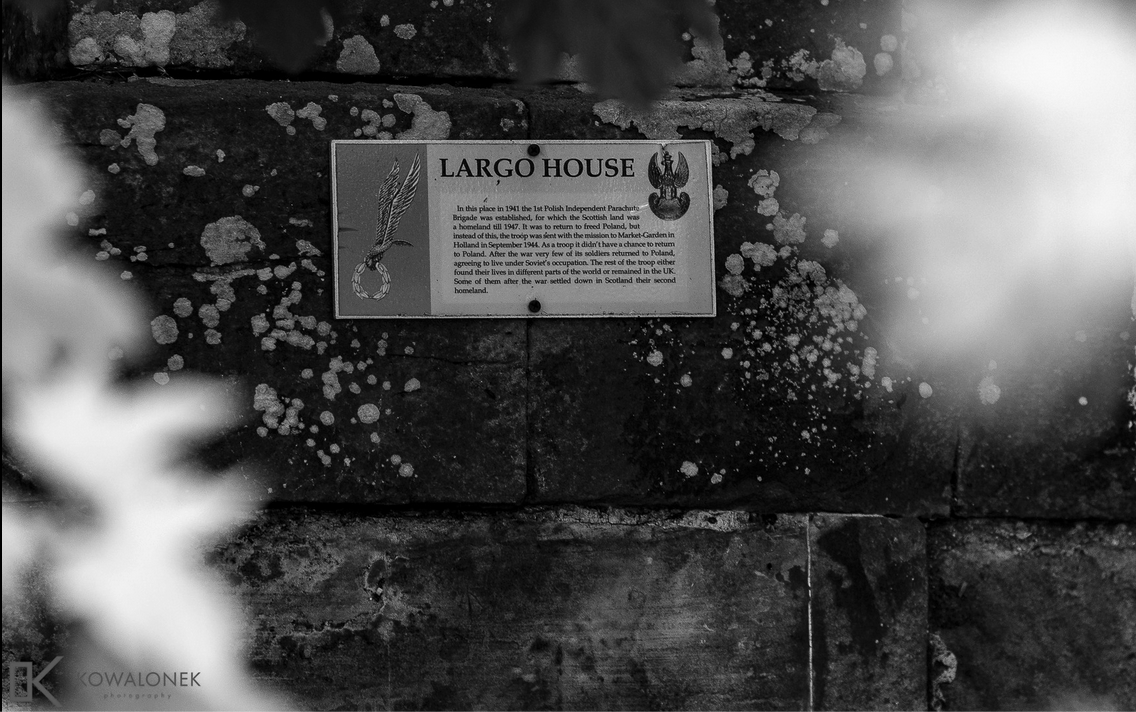
The plaque below was erected by the 1st Polish Independent Parachute Brigade to the inhabitans of Earsfery for their hospitality during the Second World War. You start your journey here and should head towards the Fife Coastal path to the next point.
Stop 2 – Kincraig Hill
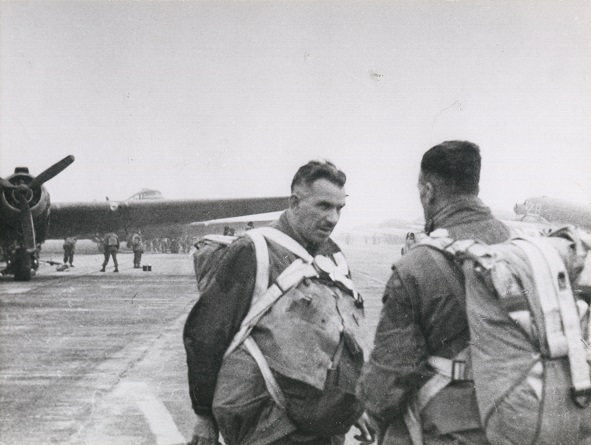
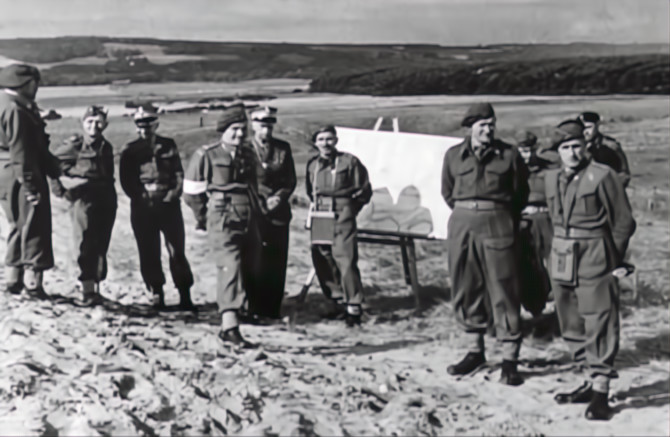
The next point on the route is Kincraig Hill, where the 1st Independent Polish Parachute Brigade was officially formed. This is also where they trained their tactics. Certain details of the uniform distinguished the Polish soldiers: the “Poland” emblem on the shoulder, the Polish military eagle insignia painted in white, and later in yellow, on the helmet, as well as the Parachute Badge worn from June 1941 onward. After Operation Market Garden, the combat badge was enhanced with a golden laurel wreath clutched in the eagle’s talons. On the reverse of the badge, the motto “Tobie Ojczyzno” (“For You, Fatherland”) was inscribed, which was later removed by the communist authorities. The Brigade’s motto became “The Shortest Way,” and its banner, crafted in occupied Warsaw, was adorned with the Latin phrase “Surge Polonia,” meaning “Rise, Poland,” referring to the plan to deploy Polish paratroopers into the occupied country.
Stop 3 – Bunkers and Anti-Tank Barriers
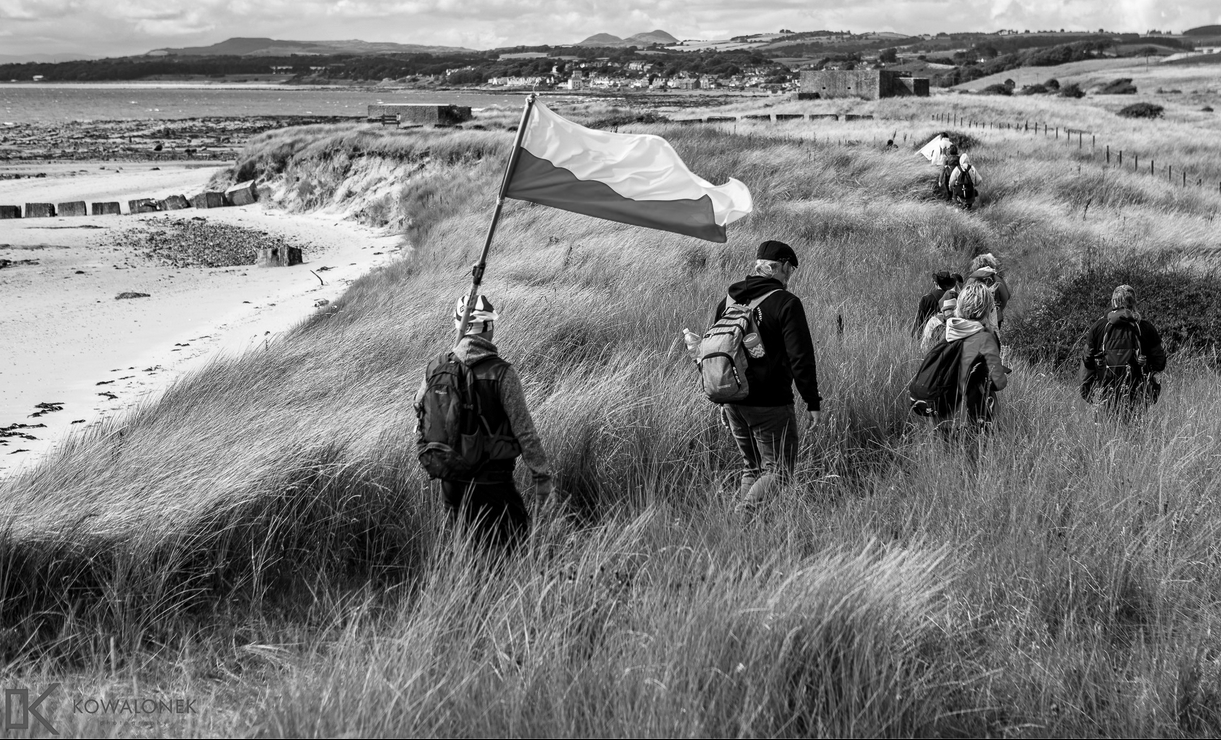
Your next stop are two coastal defence bunkers between Elie and Largo. These were part of the fortifications erected to stop German forces back in 1940. Impressive they still last in very good condition today and you can visit them today. Both bunkers have parapets for enfilade fire and machine gun nests covering beaches from both Elie and Largo sides.
Stop 4 – Lower Largo
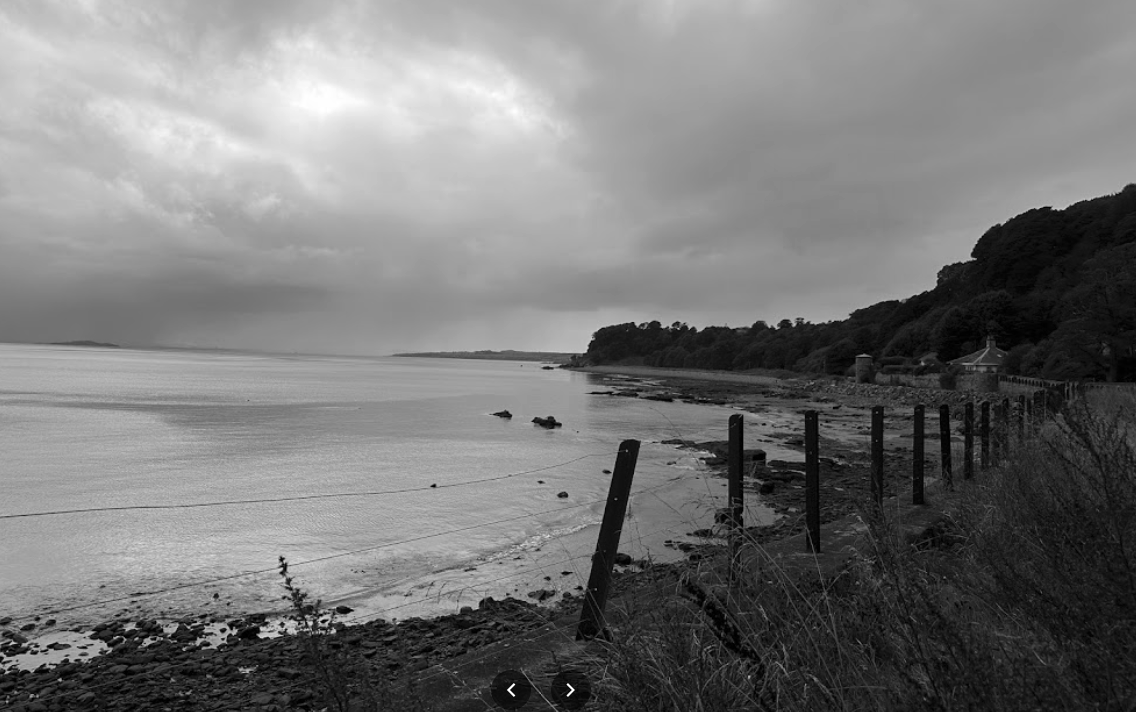
Just a short break for you half way, where you can enjoy the beautiful sights of the Largo Bay.
Stop 5 – Largo House
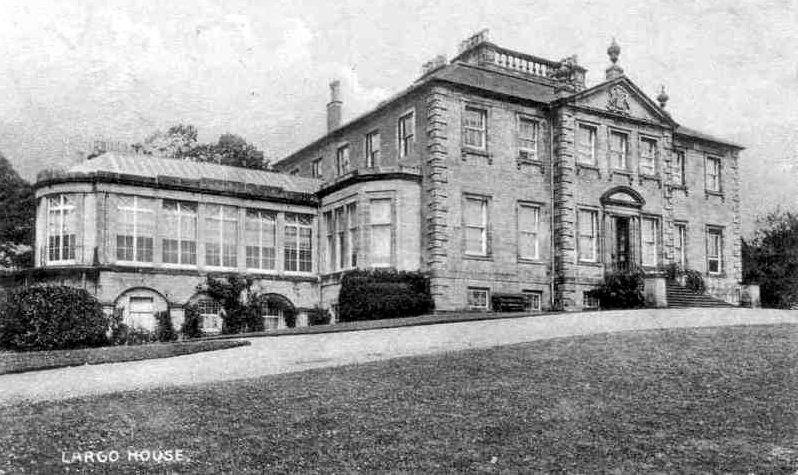
Your next stop is where the Polish soldiers approached parachute training energetically and ambitiously. Before the courses in Ringway, England, the soldiers of the 1st Independent Parachute Brigade underwent internal training in the Scottish county of Fife, in the town of Upper Largo. Almost entirely on their own, they adapted a park and the building “Largo House” into their own training base. Physical exercises took place on a course called the “Monkey Grove.”
You might not be able to get close to the Largo house building, as the gate is usually closed though.


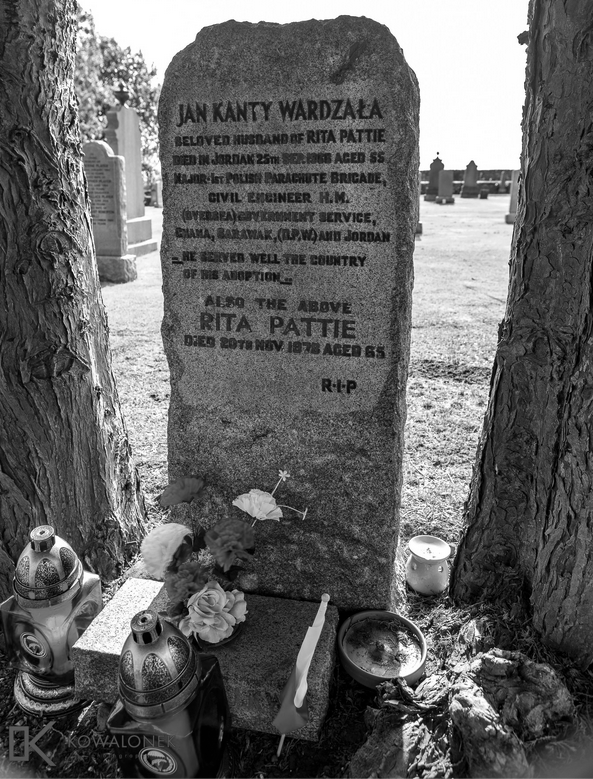
Stop 6 – Largo – Graves of Polish soldiers
Your next stop is a short memorial, for the Polish soldiers, who have decided to be buried in Largo.
Stop 7 & 8 – Route to shooting range and remains of the Parachute Tower
There is nothing left of the original shooting range and the Parachute Tower today. You might decide to skip this point. But it’s worth to note, that this area has seen the revolutionary parachute troops training by General Sosabowski put into action. A lot of this training is in the parachute troops manual up until today.

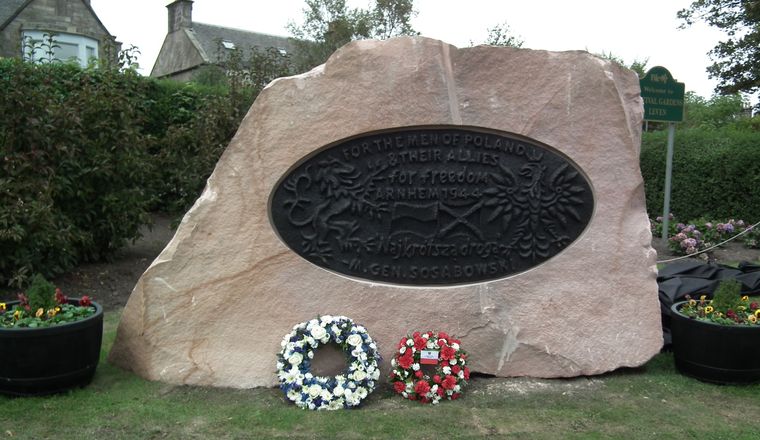
Stop 9 – Monuments to Polish Parachute Brigade and General Sosabowski – FINISH
Your last stop. In Leven, Scotland, two monuments stand in honor of the 1st Polish Independent Parachute Brigade and its commander, General Stanisław Sosabowski. These memorials pay tribute to the Polish soldiers who trained in nearby Fife during World War II, preparing for airborne operations, including the pivotal Battle of Arnhem. General Sosabowski, a key figure in the brigade’s history, is commemorated for his leadership and the unit’s dedication to the Allied cause. The monuments symbolize the enduring bond between the Polish soldiers and the local community, reflecting a shared history of courage and sacrifice.

You can read more about the story on Polish Remembrance Institute Page.
 FCA Association